Singer-songwriter · Founder of Coda · Researcher
David Morgan Walters
Fifty years in music: from the English folk circuit and three albums to founding Coda Music Trust, a community music centre serving over 420 students a week, and the Music Research Institute. Insights as to how music could benefit people of all ages and abilities led him, in turn, into academia and research on the arts, health and wellbeing.
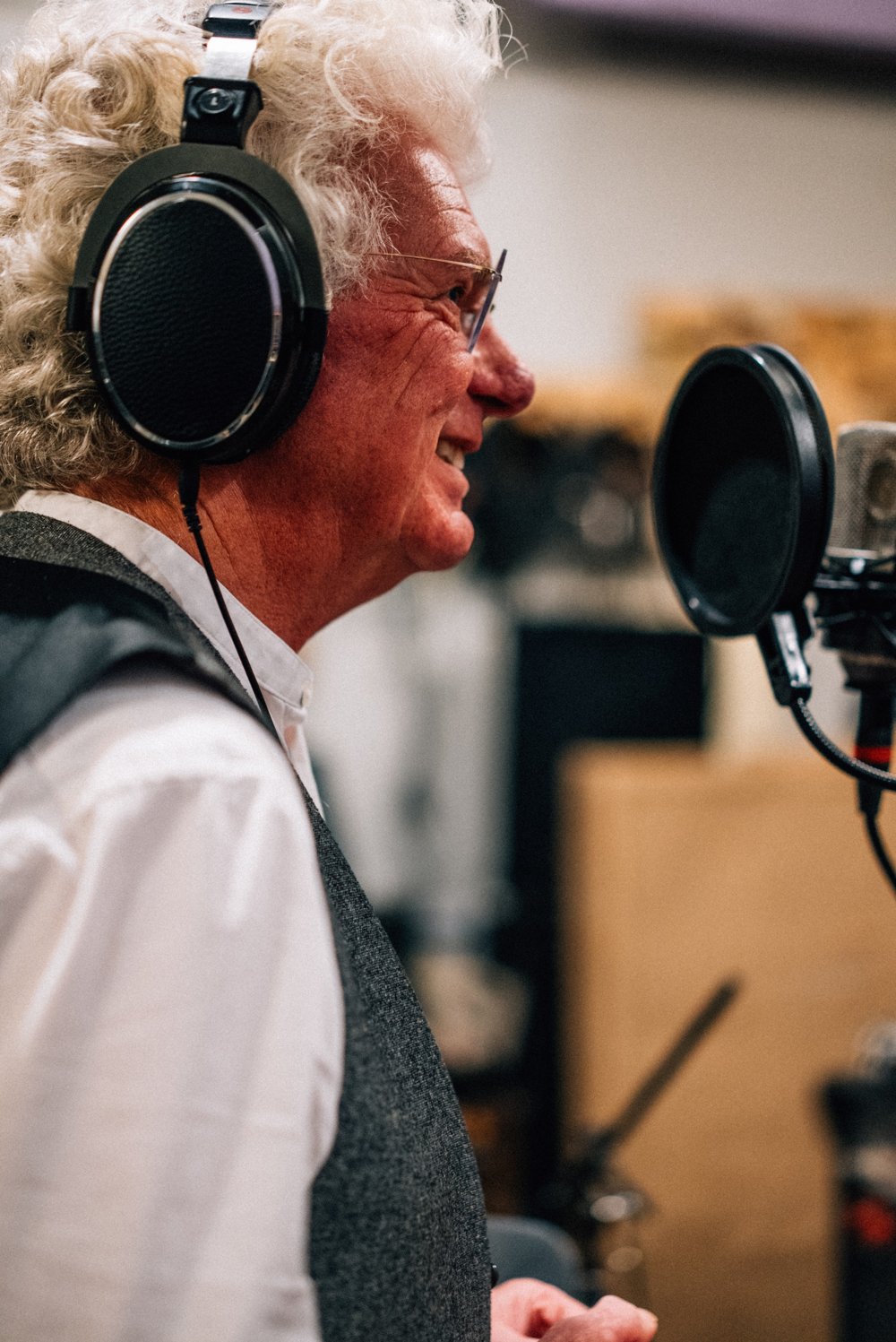
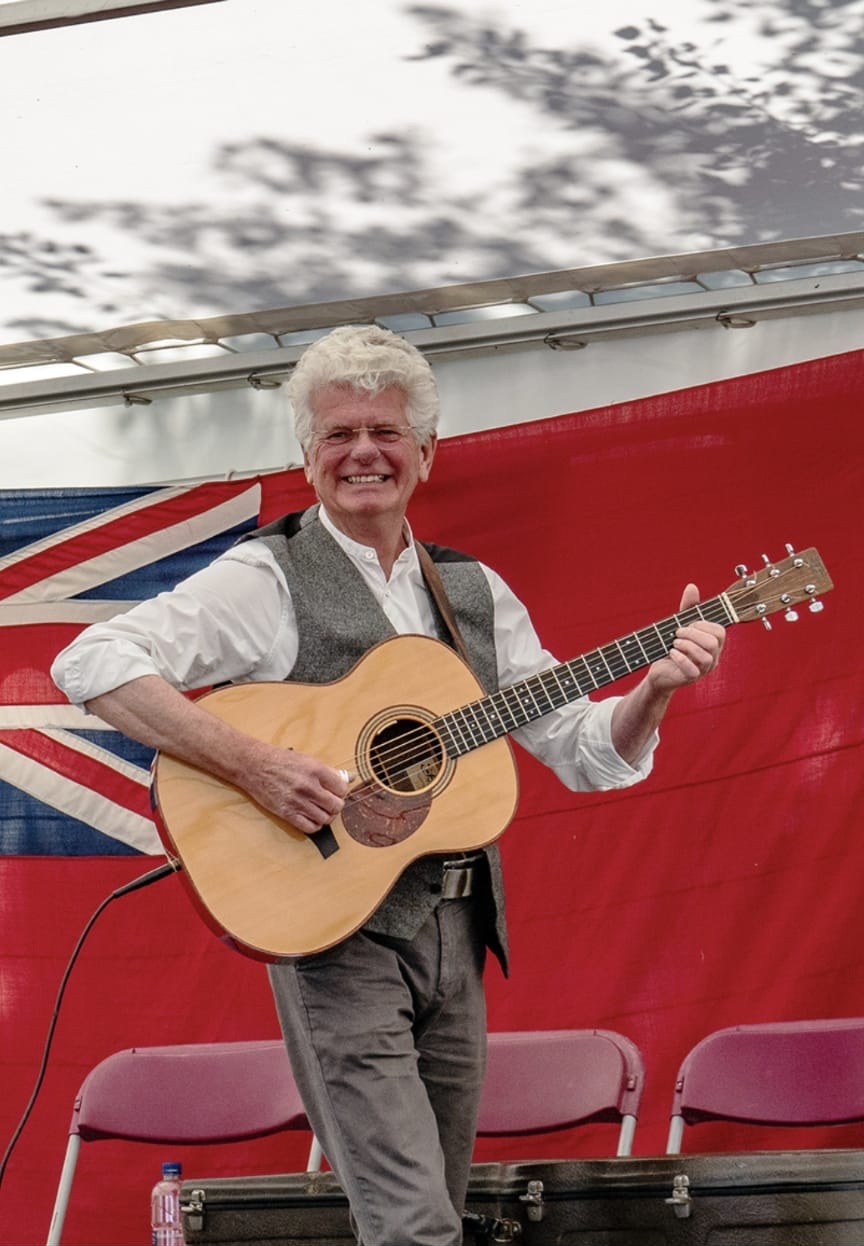
- Performs as Dave WaltersThree albums, 1976 to 1982, for Fellside, Greenwich Village Records and Highway; toured throughout the UK and Europe and later undertook an international residency in Bermuda
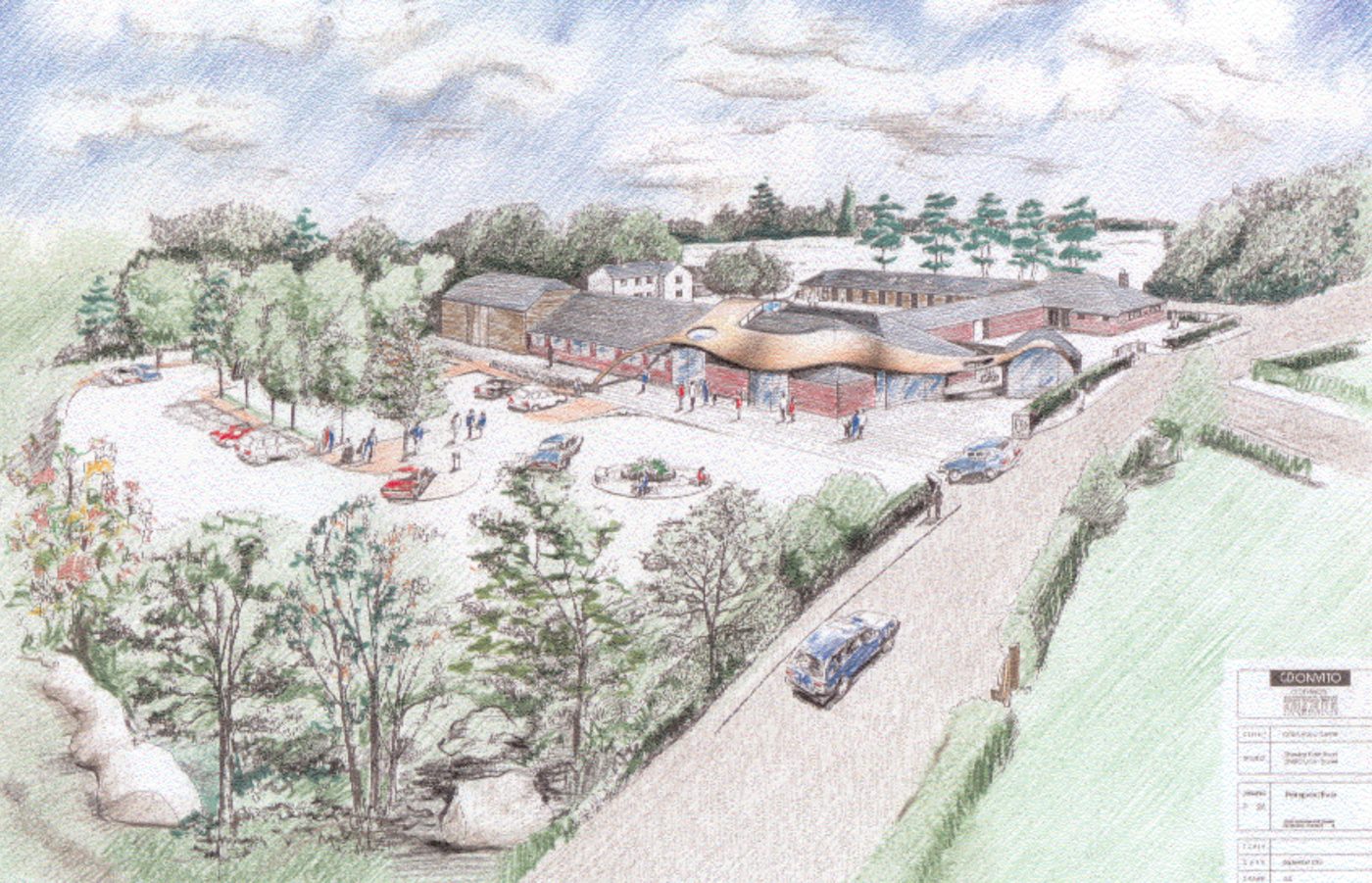
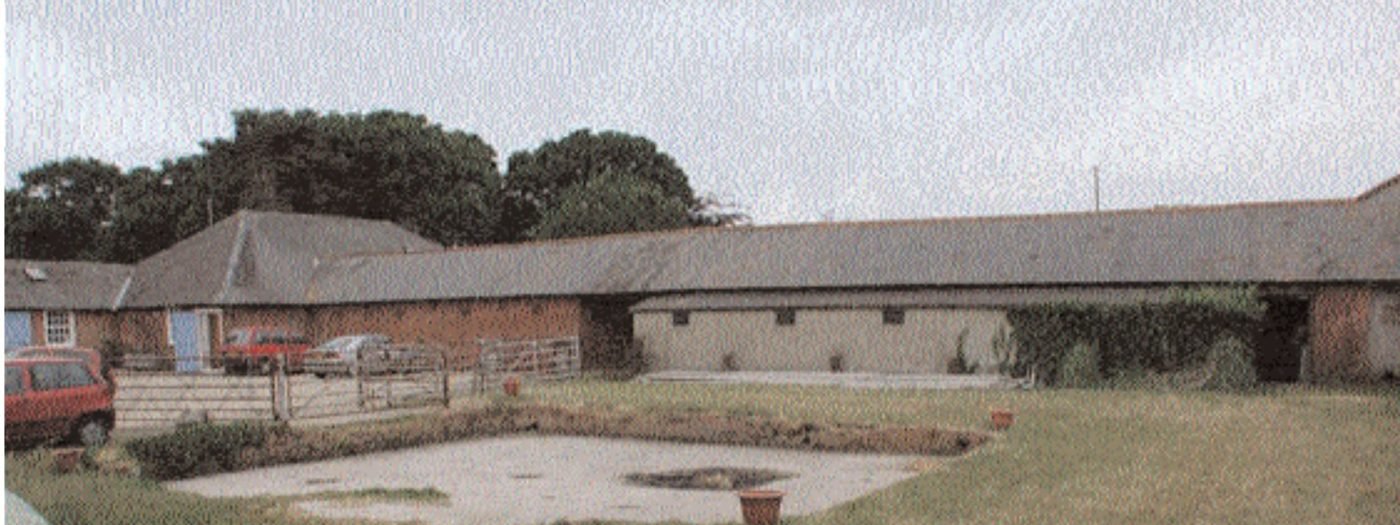
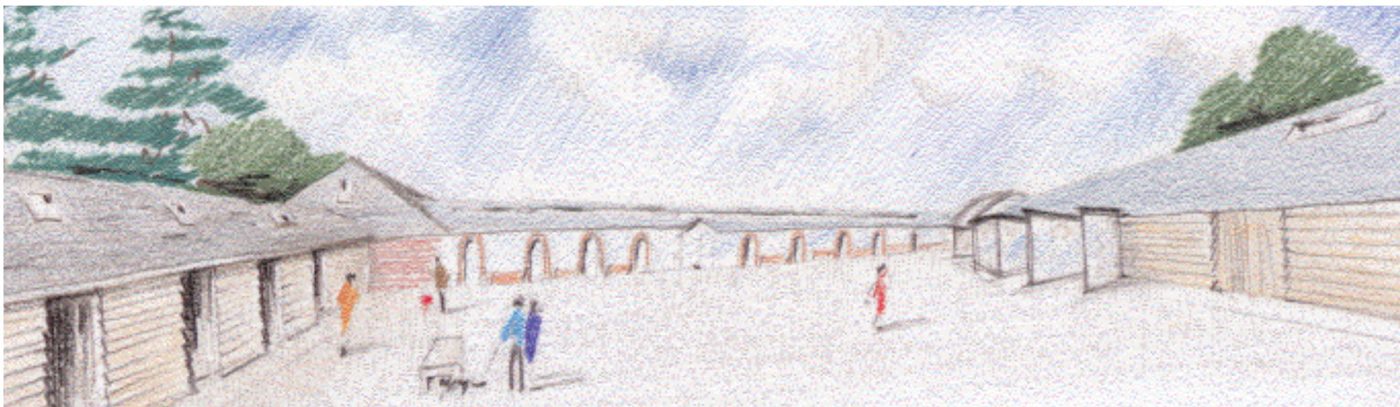
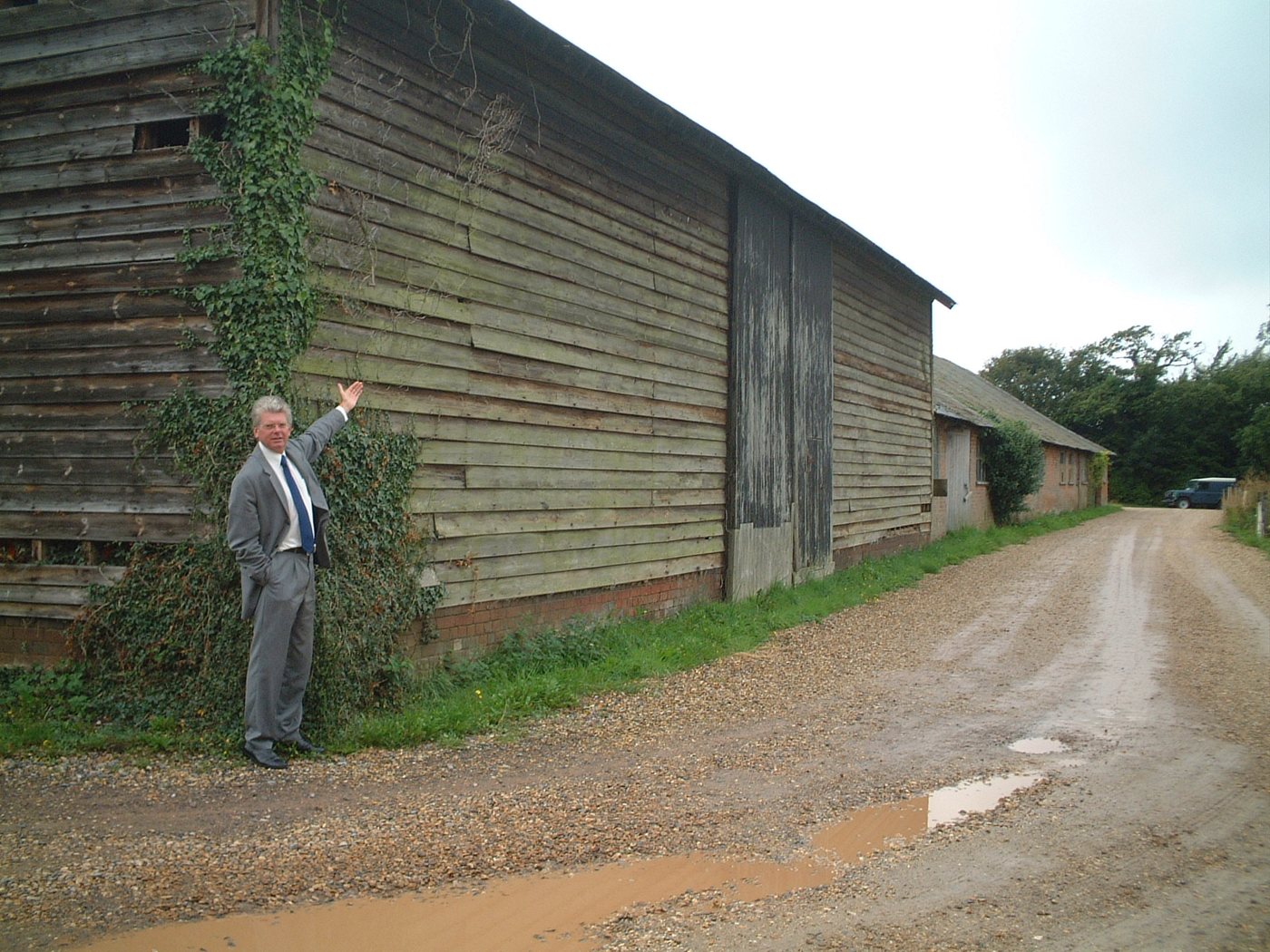
- Founder, Coda Music TrustOpened in 1995 on Victorian farm buildings; charity registered 1998; site bought 2005; led until 2006, serving over 420 students a week at its peak
- Founder, Music Research InstituteCharity registered 1996, inspired by Dr Anthony Storr’s Music and the Mind, with trustees from medicine, music education and business
- Dr, and Fellow of the Royal Society for Public HealthResearch at the University of Winchester from 2011, later Head of the Centre for Arts as Wellbeing; professional doctorate, 2017
Career
A life in music, decade by decade
1970sFolk circuit
A folk duo in London
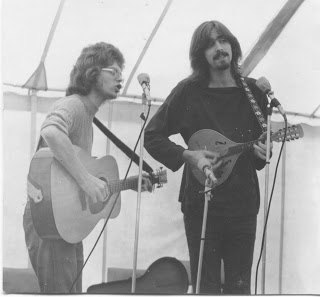
Resident in coffee bars and clubs, including the Singers Club, singing mostly traditional English and Scottish songs of fields, factories and fishing. His singing partner was Howard Bond.
Raised in a small mining village in South Wales, where singing was part of school and chapel life, he leaves secondary education and escapes into the burgeoning folk scene with dreams of becoming a professional musician.
First record, Comes Sailing In
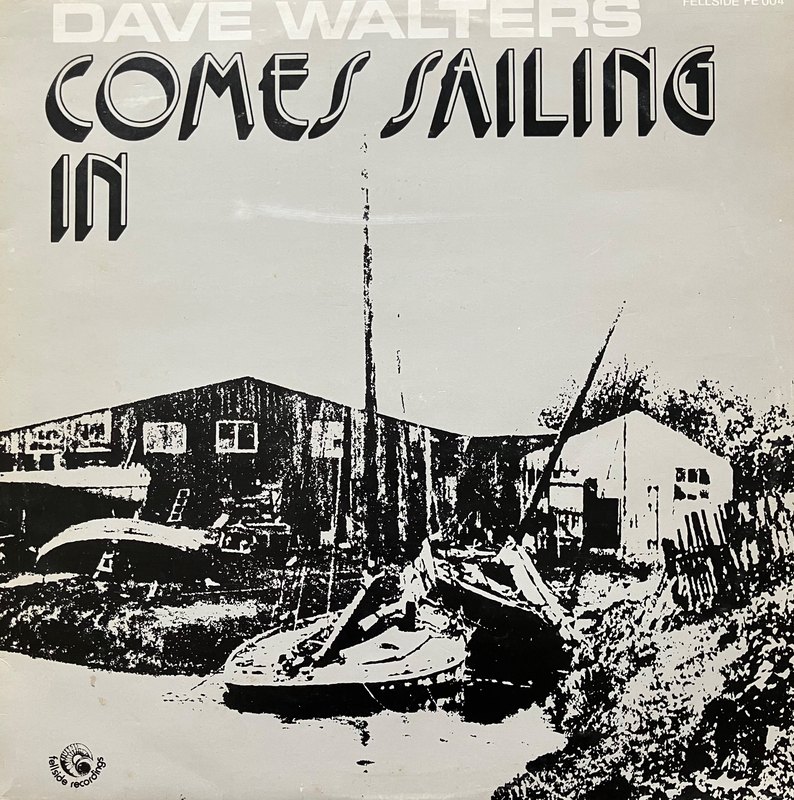
Released on the independent Fellside label. Four years touring the English and Scottish folk circuit followed.
Rob Roy
A traditional Scottish song, from the album.
Songs of Innocence and Experience
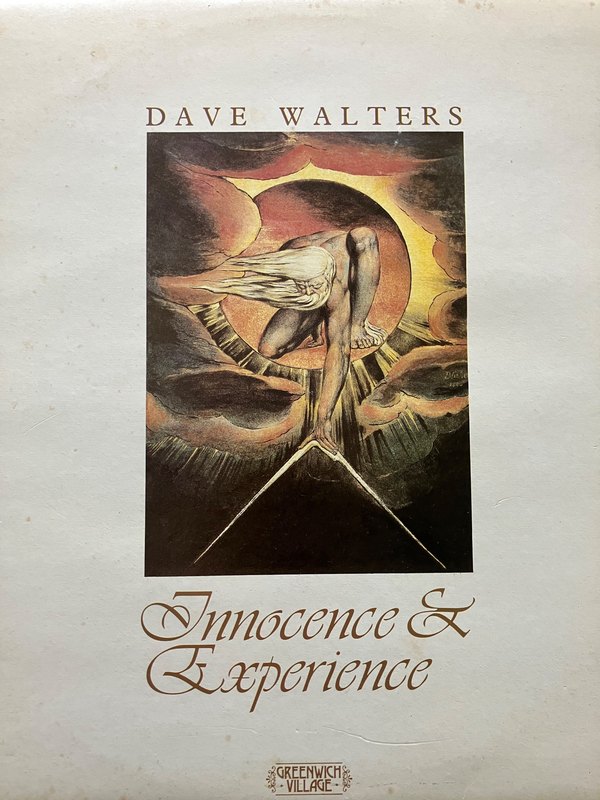
William Blake’s poems set to original folk arrangements and recorded as an album. This was recorded at Bill Leader’s studio in Halifax and includes brass instruments, in a major step change for Dave and his music.
Echoing Green
From the album. Words by William Blake, music © Dave Walters.
Kites
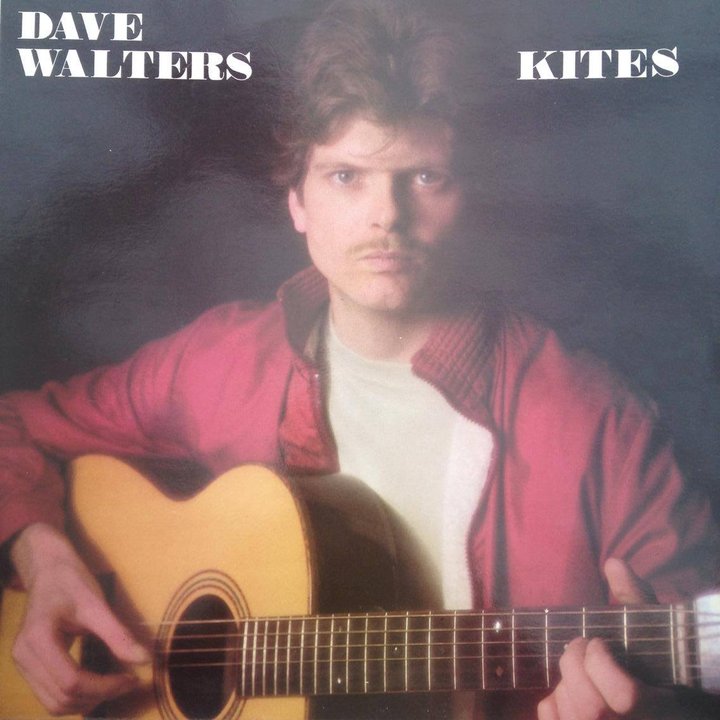
His third album, on Highway Records, produced by Archie Fisher and featuring the pianist and accordionist Phil Cunningham. It includes self-penned songs for the first time, including the title track, Kites. It is dedicated “to young King Arthurs everywhere. May the golden age return.” Kites is available to buy at Discogs.
Ellen
From the album. Tune: Dave Walters. Words: traditional. Arrangement: Dave Walters. © Dave Walters. Listen on YouTube.
Live in Liverpool
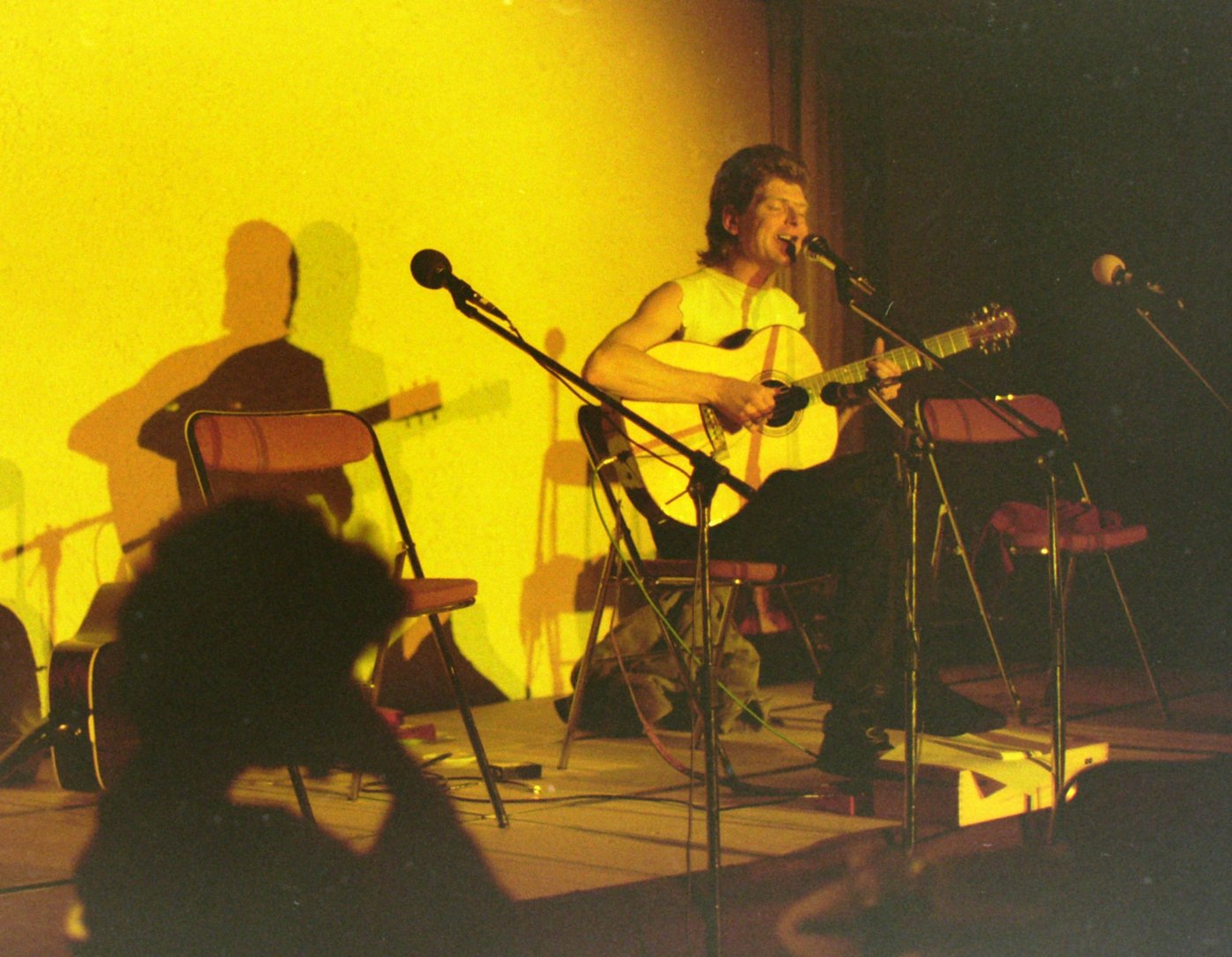
Dave Walters in a live session singing Richard Thompson’s Poor Ditching Boy.
Poor Ditching Boy
Recorded live in Liverpool, 1979.
The Dave Walters Band
With keyboardist John Adams and guitarist Steve Czwortek, an international residency in Bermuda is followed by a tour of the East Coast of the USA, then a tour of Europe and back to the UK festival circuit. The band continued into the 1980s.
Loving Liar
Written by Dave Walters. © Dave Walters. Performed at the Walthamstow Folk Club in the early days of the band.
1980sTouring, writing, performing and workshops
Blake on stage in Edinburgh
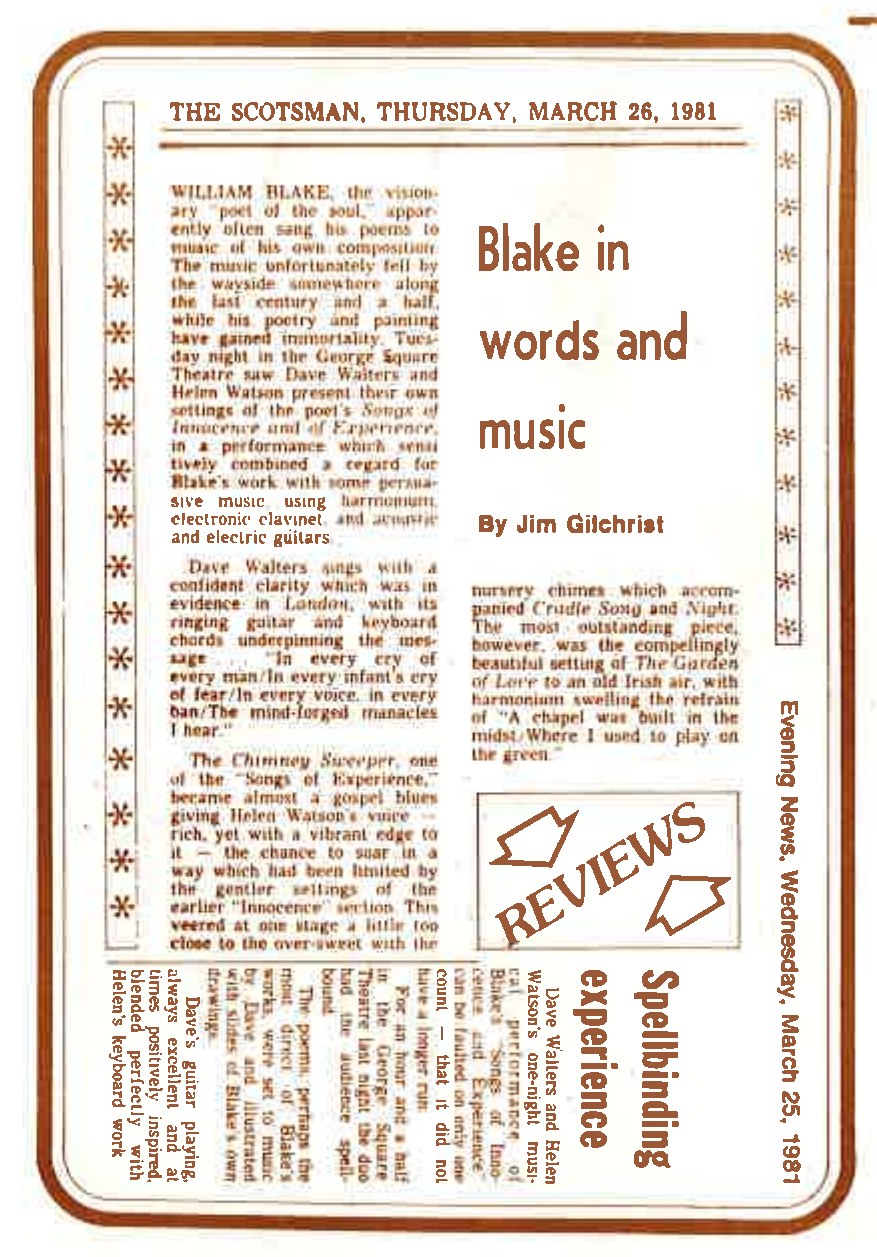
His Innocence and Experience becomes a stage show. With Helen Watson he performs it at the George Square Theatre during the 1981 Edinburgh Folk Festival, with Blake’s own illustrations projected as slides. The Scotsman headlined its review “Blake in words and music” and the Evening News called it a “spellbinding experience”. The Evening News found that the performance “can be faulted on only one count – that it did not have a longer run”, and that for an hour and a half the duo “had the audience spellbound”. The Scotsman singled out “the compellingly beautiful setting of The Garden of Love to an old Irish air”.
The Scotsman praised the way he “sings with a confident clarity”, with ringing guitar and keyboard chords underpinning the message of Blake’s verse. The Evening News thought his guitar playing “always excellent and at times positively inspired”, and said it “blended perfectly with Helen’s keyboard work”. The poems, it added, were “perhaps the most direct of Blake’s works”, set to music by Dave and illustrated with slides of Blake’s own drawings.
One-man show at the Edinburgh Fringe
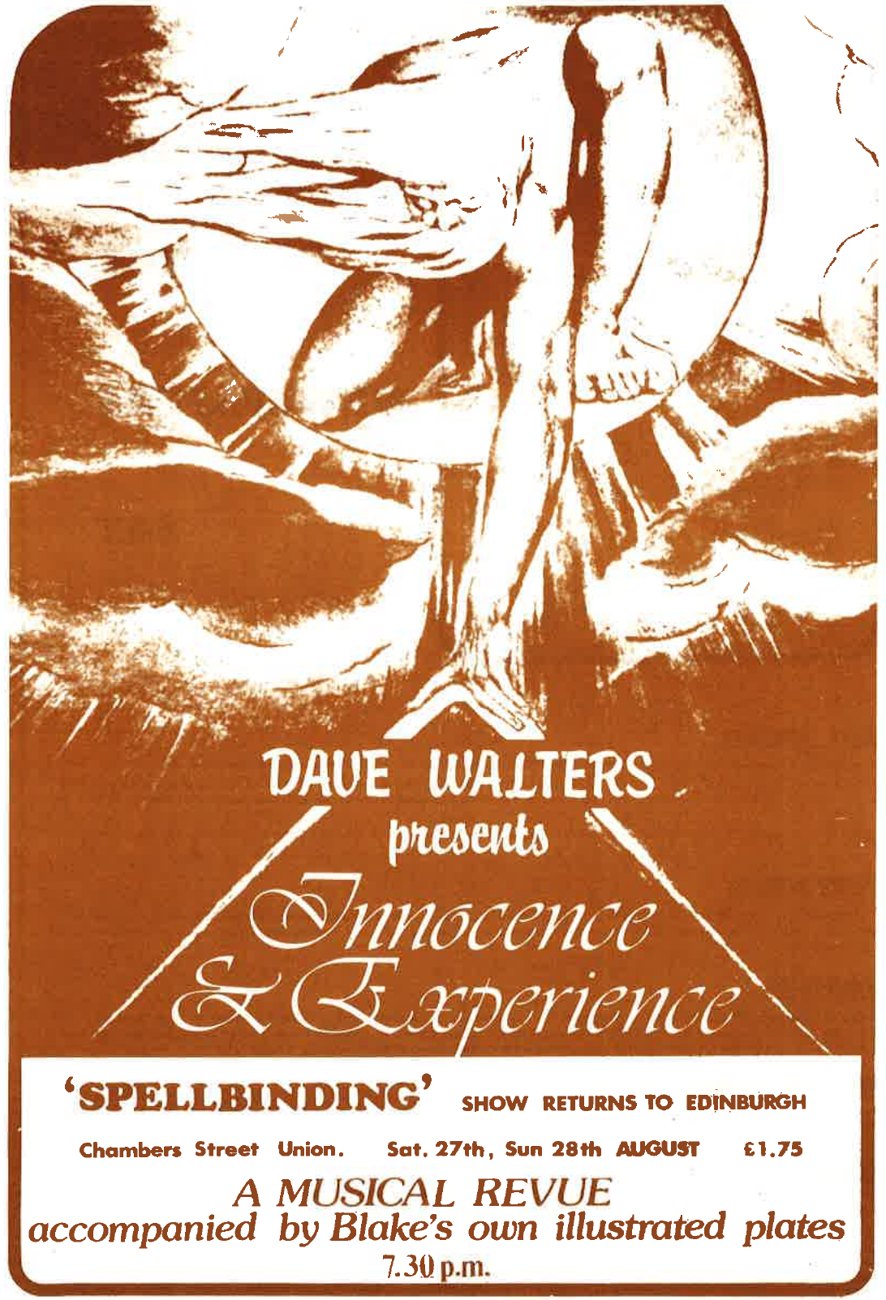
The show returns to Edinburgh as a one-man production: a musical revue accompanied by Blake’s own illustrated plates, at the Chambers Street Union on 27 and 28 August. The poster billed it as a “spellbinding” show returning to Edinburgh. Where the 1981 show was a duo, he now carries the whole evening alone, building on the success of the Folk Festival performance two years earlier. The show gets critical acclaim and tours arts centres and theatres in the UK. It develops and moves to Heidelberg University and venues in southern Germany.
Song workshops begin
Invited to tutor on a five-day summer school alongside the voice teacher Frankie Armstrong. From 1985 he runs The Way of the Song twice a year, and later takes it to a sister centre in Spain.
The five-day intensive programmes, held at Little Grove and at Cortijo Romero in Spain, become one of the crown jewels of the residential calendar. Where weekend tasters offered a brief escape, five continuous days gave participants time to let go, move past the initial awkwardness of using their voices and undergo a genuine shift. Singing, voice work and a mix of well-known songs and chants became a vehicle for personal growth: in a supportive, holistic setting the aim was not only to teach people to carry a tune but to help them find their authentic voice, release blocked emotional energy and feel the connection that comes from communal singing and group harmony.
The Dave Walters Band at the Fringe
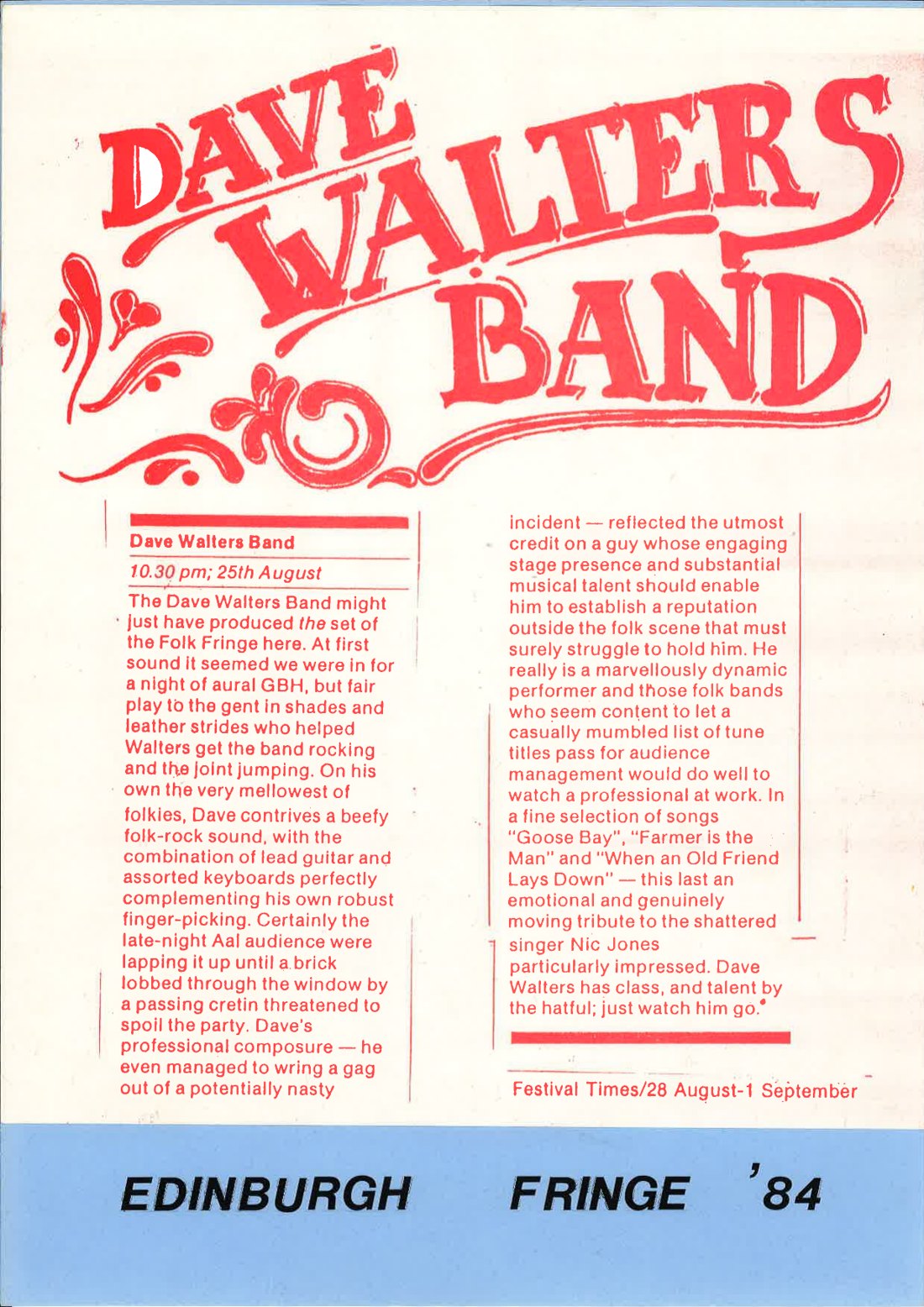
A late-night set at 10.30 pm on 25 August in the Folk Fringe, with lead guitar and keyboards behind his finger-picking. Festival Times thought the band “might just have produced the set of the Folk Fringe”, with “the combination of lead guitar and assorted keyboards perfectly complementing his own robust finger-picking”. When a brick came through the window during the set, his “professional composure” reflected “the utmost credit” on him. The reviewer called him “a marvellously dynamic performer” and singled out “Goose Bay”, “Farmer is the Man” and “When an Old Friend Lays Down”, a tribute to his friend Nic Jones that was “emotional and genuinely moving”. “Dave Walters has class, and talent by the hatful; just watch him go.”
DIVA
A young family takes precedence for a few years, but then he begins a new writing and recording project. Five of his original songs are arranged and recorded as demos, with an electronic sound and keyboards played by Bill Martin.
One of Those Days
Written by Dave Walters, from the DIVA recordings, 1990. © Dave Walters. The song has also been recorded and performed by Jetsam, a four-part harmony group from Lörrach in southern Germany.
1990sCoda and the Institute
Faith
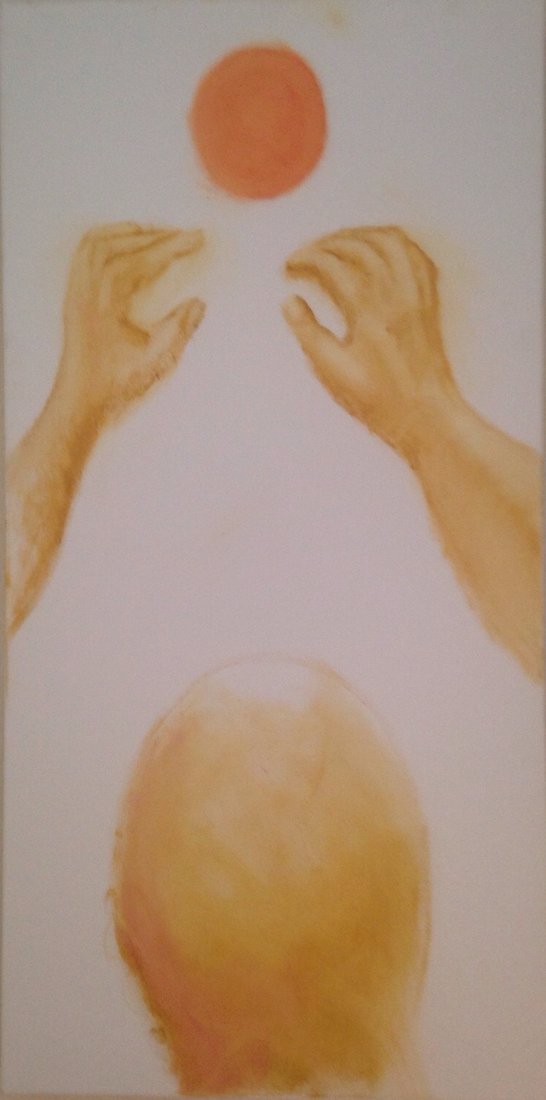
Years later, when he writes his professional doctorate, he tells the story of the Coda Music Centre in three chapters: Faith, Hope and a Charity. Faith is the long search, from 1980, for a purpose that music could serve: touring, song workshops, a business-school consultancy, the YES magazine and the first steps of the Music Research Institute. The three chapters are pictured in a triptych by James Murray, given to Dave by one of Coda’s trustees when he handed over the leadership in 2006.
Music for business and a music magazine for schools
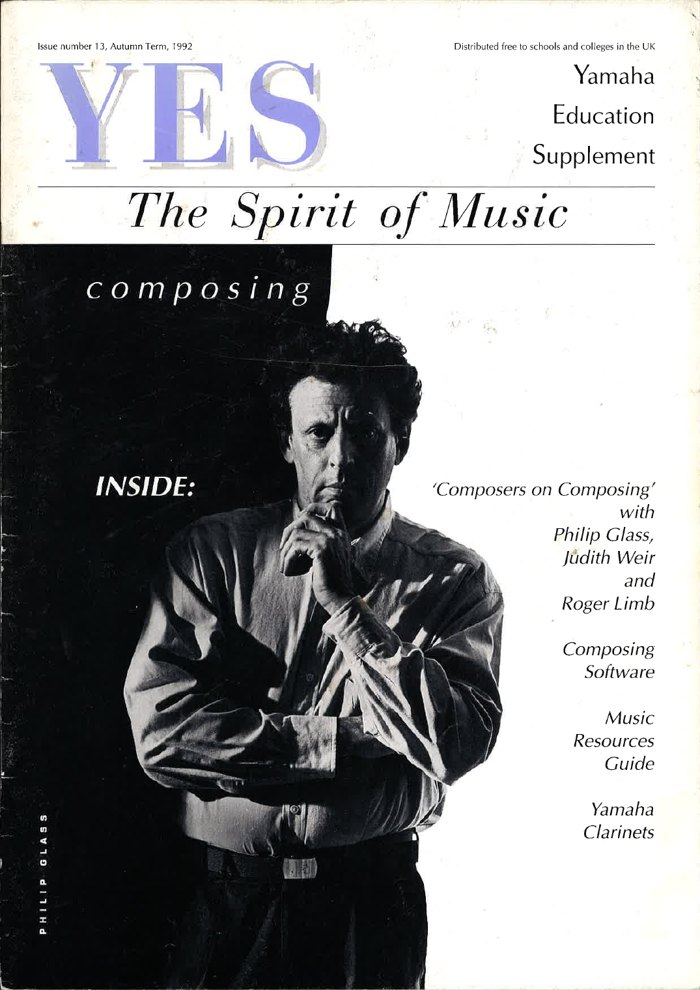
A partnership, Creative Organisation Design Associates (CODA), runs workshops for managers in business schools, including Ashridge Management College and Roffey Park. They begin to reframe and edit YES – The Spirit of Music, a magazine for secondary schools in the UK. When the partnership ends he continues to edit and publish it, the income supporting the development of the music centre.
Coda Music Centre takes shape
An idea begins to form and take shape after an offer to rent old farm buildings to accommodate a music centre on the Hampshire/Dorset border. In 1993 he co-writes Facilitating Creativity, presented at the Music Education Council conference.
Coda opens

The first refurbished wing of the Victorian farm buildings opens. Keyboard, guitar and violin lessons, rock and pop vocal classes and a weekly community choir begin and students grow quickly. The choir rapidly grows to over 40 members each week. The keyboard lessons are group lessons using electronic keyboards and a digital sound lab from Yamaha.
The Music Research Institute
Registered as a charity, with Dr Anthony Storr, Professor Paul Robertson and Professor George Odam among its trustees. After Channel 4's TV series Music and the Mind announces the MRI as the contact point for more information, thousands of letters arrive. The Institute obtains academic recognition with JANET, the Joint Academic Network, and registers mri.ac.uk as its domain name.
Hope
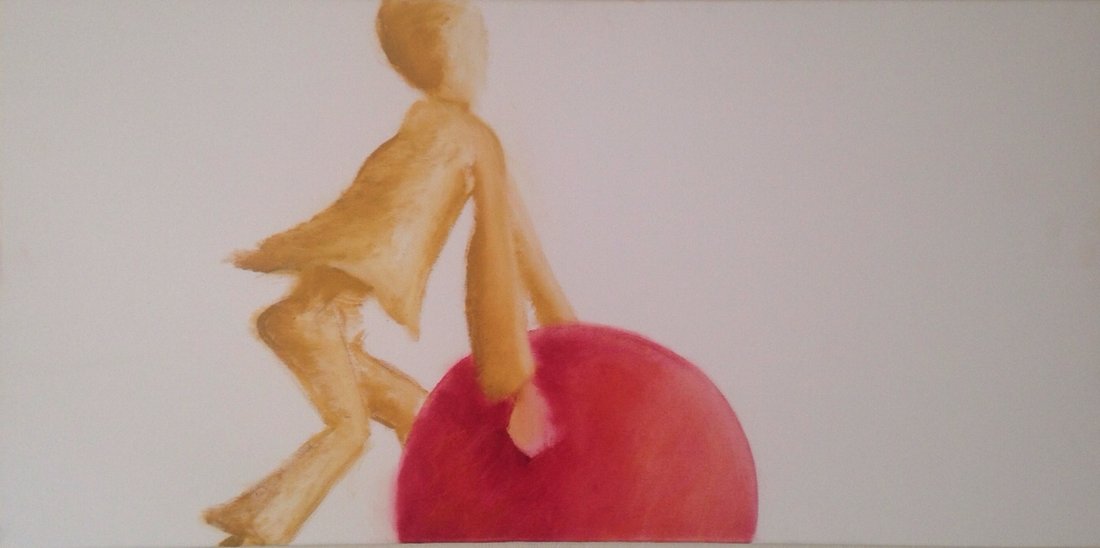
Coda’s first summer festival takes place at Hurst Castle, with every piano, instruments and the PA system carried down the Keyhaven river by ferry boat. The second chapter: group keyboard lessons, the Kodály-based First Steps programme for young children, and music therapy staff working in parallel with the instrumental and Kodály teachers.
Research and registration
The Yamaha-funded Creative Dream study of composition teaching begins, with Professor George Odam. Coda is registered as a charity in 1998 and begins to seek funding through Trusts and Foundations to support the work and the bursary scheme. Two unsuccessful applications to the Arts Council for capital funding to purchase and refurbish the buildings fail to dampen the growth of the Centre.
2000sBuilding Coda
An institute without walls
The Institute’s work moves inside the Coda Music Centre. A searchable online database of research papers is built and made available via the MRI web site. See the Research Archive. His editorship of YES ends.
Bursaries and the Bluesathon
The Friends of Coda set up a bursary scheme so that lessons are open to students who cannot pay. The first Bluesathon raises money for it (watch the film of the 2003 event).
Music therapy and health
With a music therapist appointed and contracts starting in health and social care, Coda becomes a regional voice for community music. The Centre begins to establish a documented governance and management structure. Fundraising applications are written and a part-time fundraiser is employed to support the growing centre.
The Bluesathon
The festival began in 2001 as a fundraiser for Coda’s bursary scheme and grew from 400 people at a waterside pub to a marquee holding more than 3,000. This film of the 2003 event includes an interview with founder and Director Dave Walters and an excerpt of a performance by blues singer and guitarist Eric Bibb.
Coda Fiddle Orchestra
A free-tuition youth strings project led by Jack Maguire, with Nigel Kennedy as Honorary Patron. The orchestra still meets weekly, and the John Thornton Young Achievers Foundation and the Bournemouth Rotary support and fund the orchestra.
The site is bought
An Arts Council Grants for the Arts award of £88,000, topped up with a bank loan and support from Dire Straits bassist John Illsley, enables the Trust to buy the buildings. He also chairs the national conference The Changing Landscape at the London Hilton Olympia. The conference brings together delegates from music therapy, the NHS and social care and explores ways to bring the arts and music into NHS and social care settings.
Handing over
After a decade of growth and development, he passes the leadership of Coda Music Trust to a new chief executive, with an annual turnover of over £250,000, to concentrate on research and the Music Research Institute.
… and a Charity
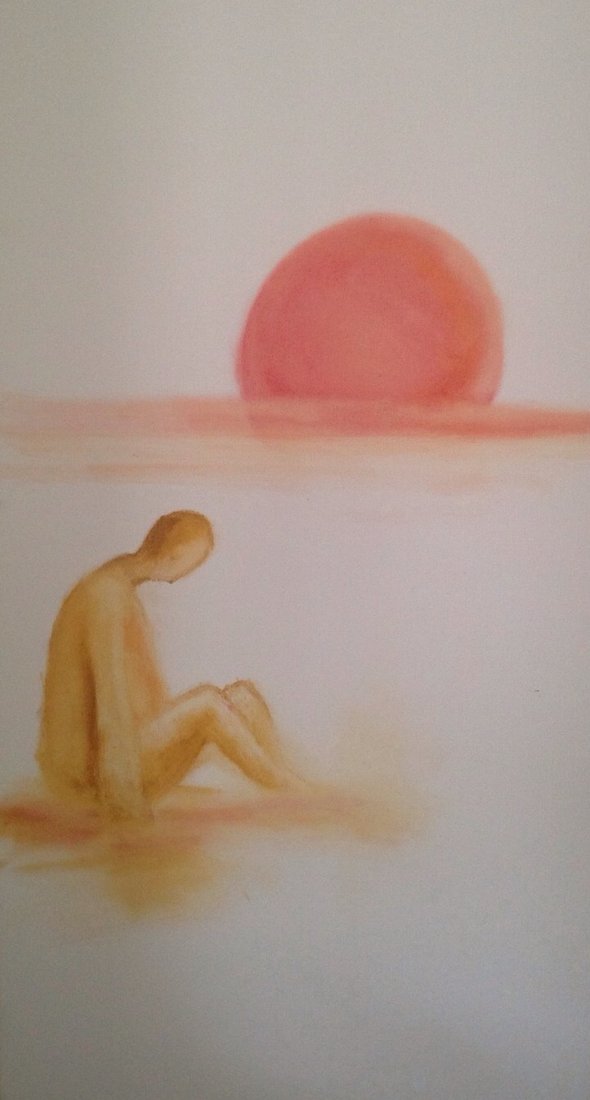
The third chapter: governance and safeguarding, years of funding bids, the purchase of the site in 2005 and the handover of leadership in 2006. Eleven years after setting up the centre, and feeling the need to allow a fresh energy in to complete the refurbishment of the buildings, the handover brings the means for a closer connection to the Arts Council. The song One of Those Days and the final maquette, Charity, reflect his feelings at this time.
Consulting and workshops
He develops work as a consultant, offering workshops and presentations to organisations on the use of music in the workplace. One workshop, From Content to Tone, gives counsellors a practical insight into the value of listening within when working with clients. In 2008–09 he is invited to join a year-long Leadership Development programme at Ashridge Management College as a participant, and goes on to work with Ashridge on their programme.
Meanwhile he prepares the ground for linking the work of the Music Research Institute with an academic institution, which eventually leads to the University of Winchester.
2010sResearch
Research Fellow, University of Winchester
The questions the music had raised take him into higher education. He later becomes Senior Research Officer and Head of the Centre for Arts as Wellbeing, and a Fellow of the Royal Society for Public Health. Read a selection of the research papers and reports.
Professional doctorate
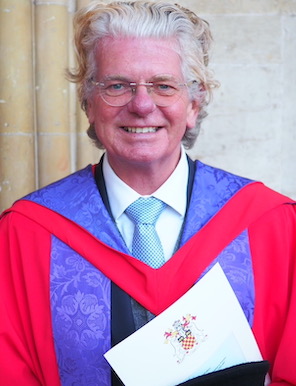
Faith, Hope and a Charity: an autoethnographic and historical analysis of the development of Coda, 1995 to 2007. After 7 years of research, supervision and numerous rewrites he is awarded a Professional Doctorate by Contribution to Practice. He graduates at Winchester Cathedral in October 2017.
A copy of the thesis is available on request: please email davidmorganwalters@gmail.com.
Live Music in Care
Lead evaluator of the national initiative, which showed that structured group singing reduces staff burnout and improves quality of life for residential dementia patients. His wider work includes studies of participatory music-making on acute NHS dementia wards, including the Arts and Dementia report.
A new chapter
The Centre for Arts as Wellbeing closes after a university restructure. He continues to research, write, create and occasionally perform.
2020To the present day · Sailing and writing
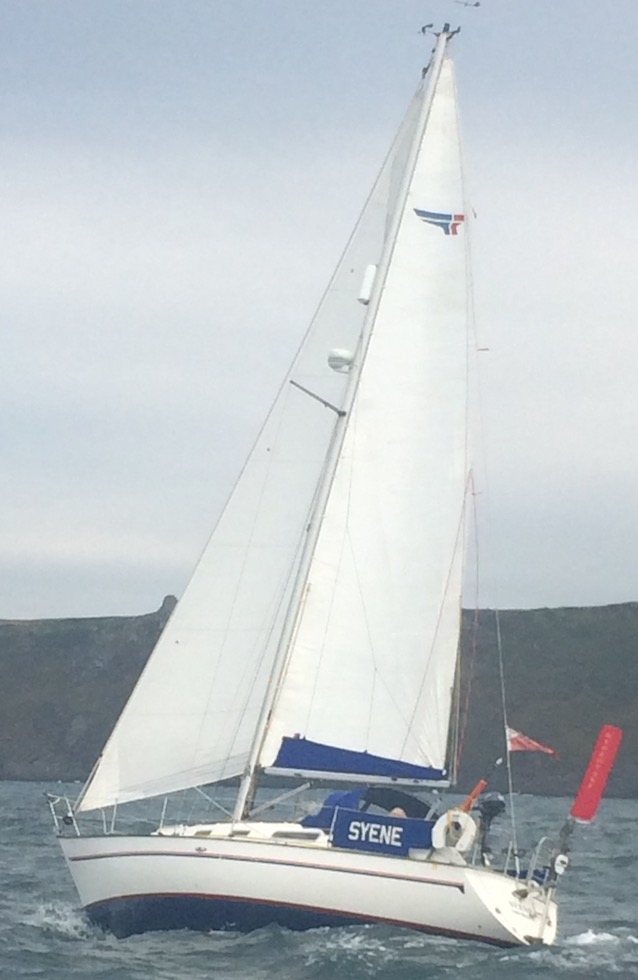
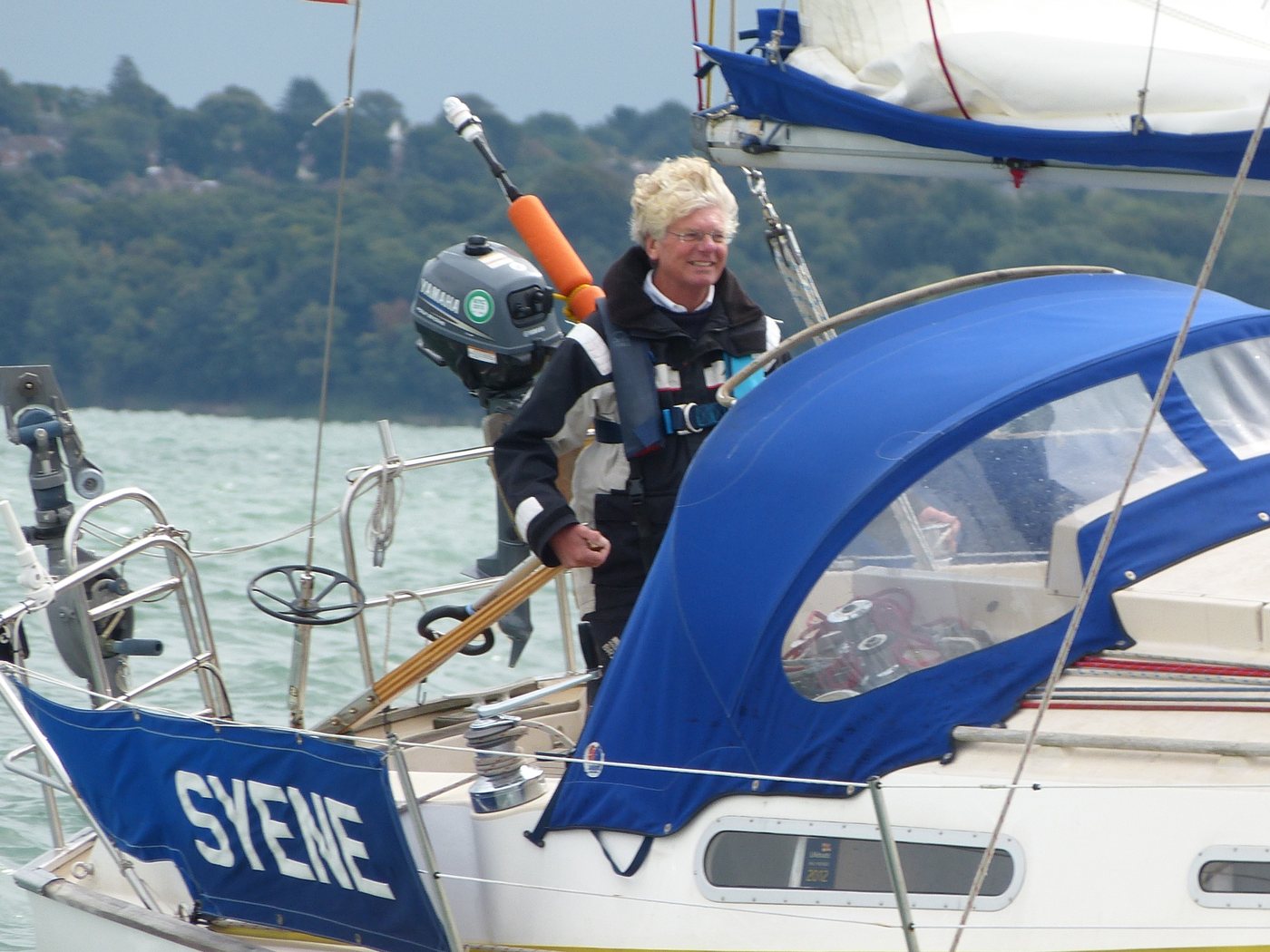
Round Britain in SYENE
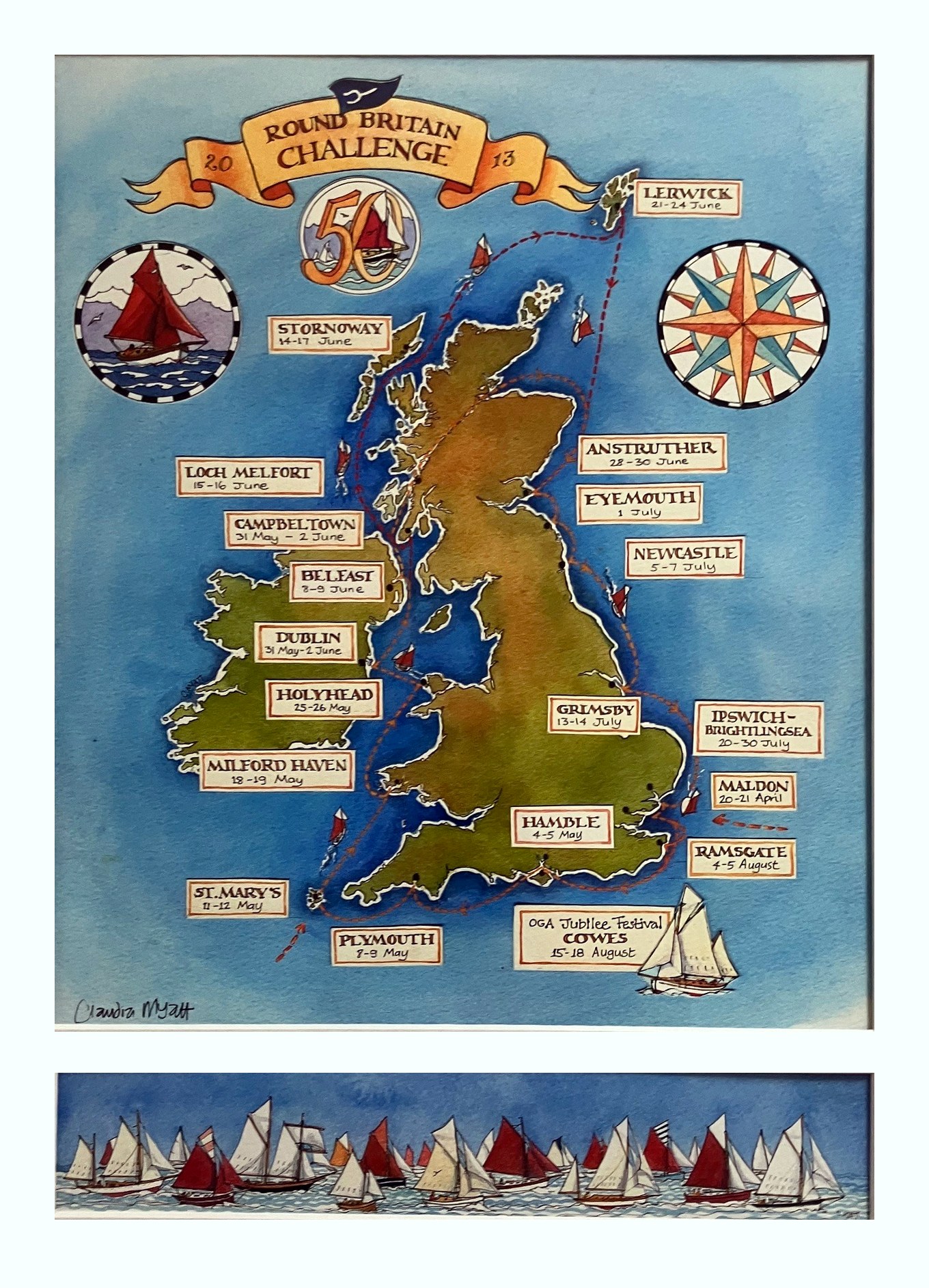
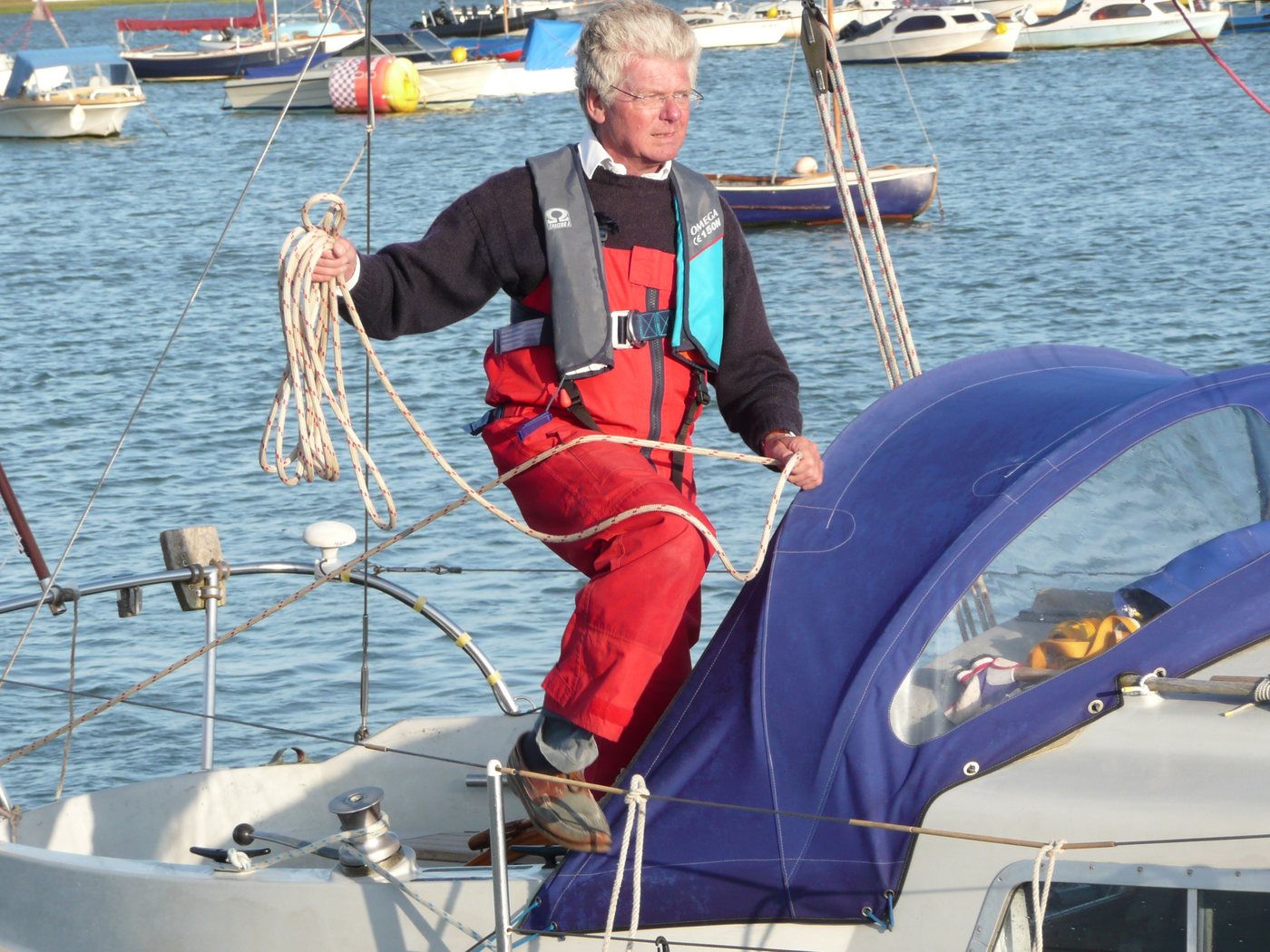
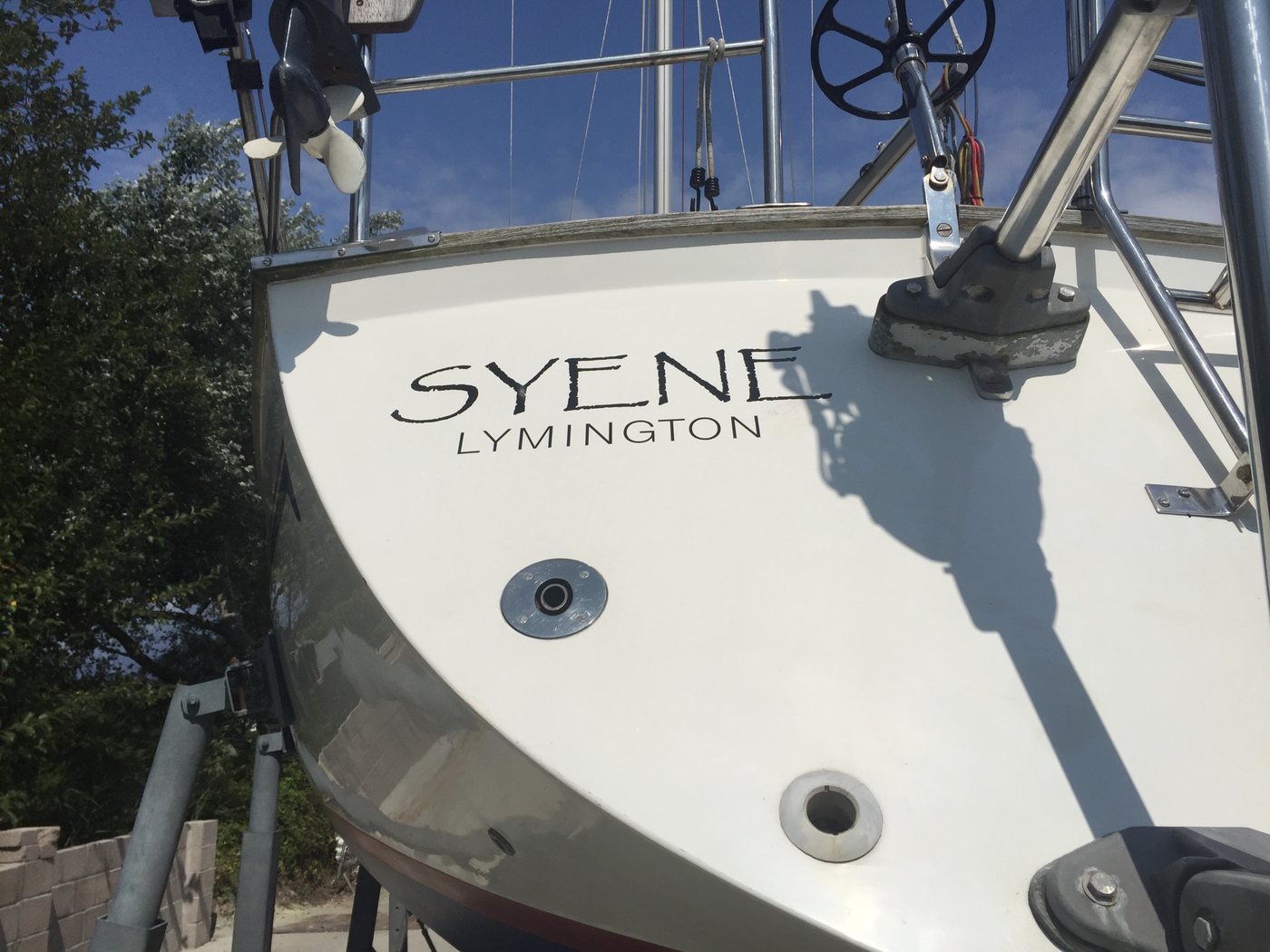
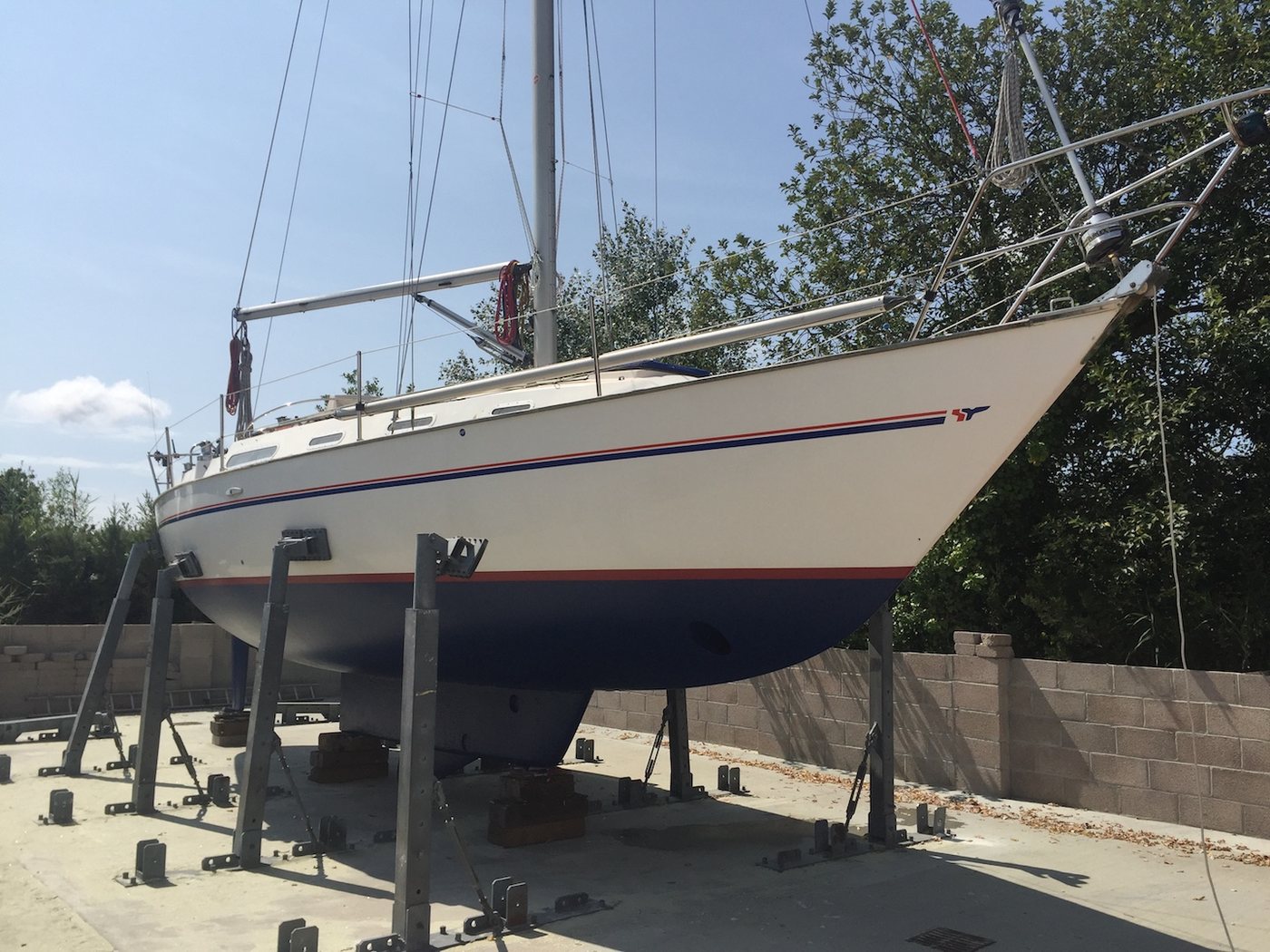
The Round Britain Challenge is part of the Old Gaffers Association’s 50th anniversary celebrations. On 3 May 2013 he sails from the Hamble in his Sadler 34, SYENE, heading clockwise round the coast with a fleet of up to thirty boats. A good friend from the Association joins him for part of the trip, and the East Coast section is mostly sailed solo, finishing in August at the big Jubilee Festival in Cowes.
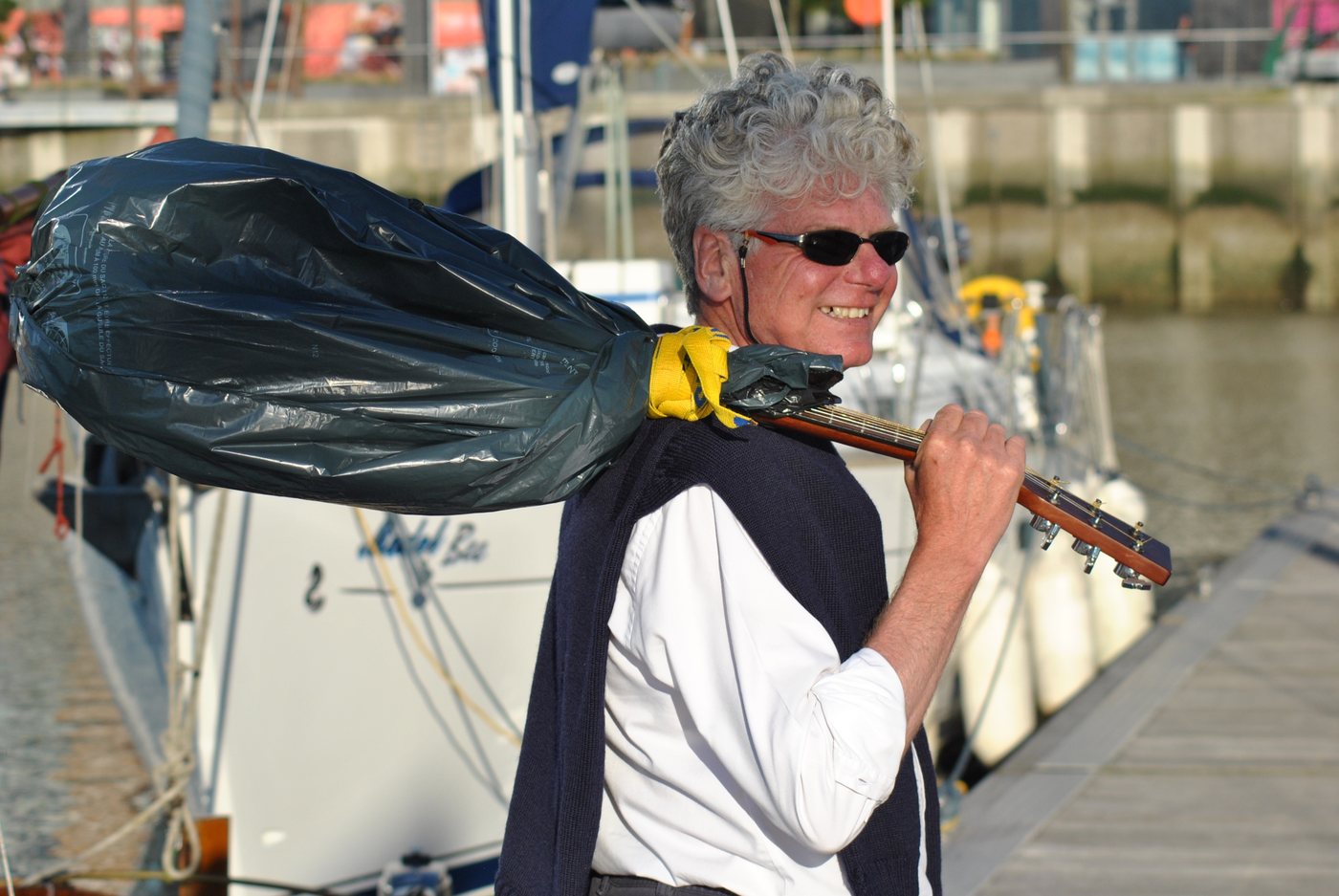
Music runs through the voyage. He leads small impromptu concerts as the fleet moves round the country, among them an evening at the Titanic Museum in Belfast. His account, Singing and Sailing, with its ceilidhs, pipers and a song sung back to him at Holyhead, appeared in the Association’s magazine Watchdog.
Research, writing and music
Based on the south coast of England, where he also sails. He now sails for four months of the year when he is able to occasionally perform and write. Some of his poems are appended below.
Words and images
Poems of his own, set over images he has made, from 2000 to 2020. All poems and images © Dave Walters. Click an image to see it larger, or open “Read the poem” for the text.
Read the poem
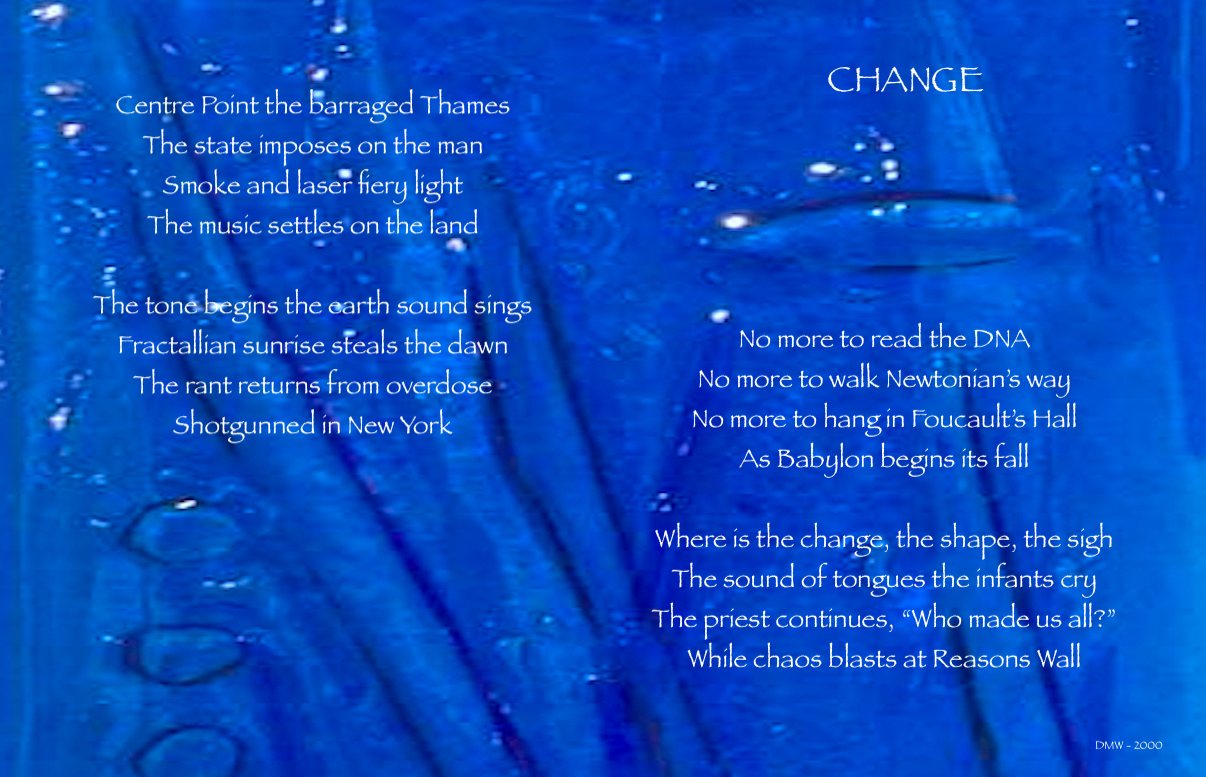
Centre Point the barraged Thames
The state imposes on the man
Smoke and laser fiery light
The music settles on the land
The tone begins the earth sound sings
Fractallian sunrise steals the dawn
The rant returns from overdose
Shotgunned in New York
No more to read the DNA
No more to walk Newtonian’s way
No more to hang in Foucault’s Hall
As Babylon begins its fall
Where is the change, the shape, the sigh
The sound of tongues the infants cry
The priest continues, “Who made us all?”
While chaos blasts at Reasons Wall
Read the poem
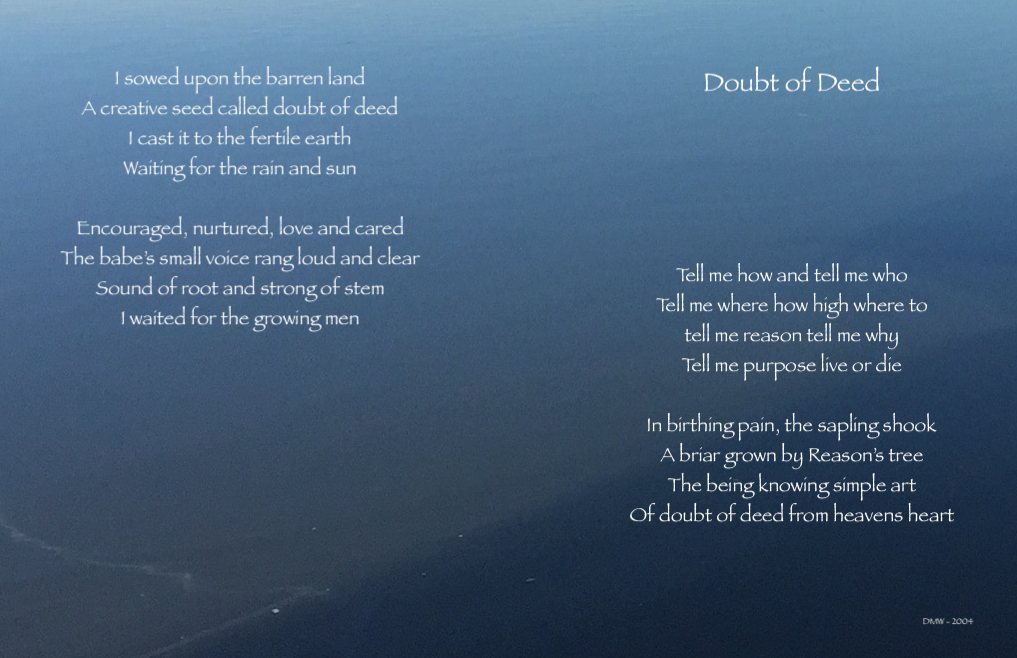
I sowed upon the barren land
A creative seed called doubt of deed
I cast it to the fertile earth
Waiting for the rain and sun
Encouraged, nurtured, love and cared
The babe’s small voice rang loud and clear
Sound of root and strong of stem
I waited for the growing men
Tell me how and tell me who
Tell me where how high where to
tell me reason tell me why
Tell me purpose live or die
In birthing pain, the sapling shook
A briar grown by Reason’s tree
The being knowing simple art
Of doubt of deed from heavens heart
Read the poem
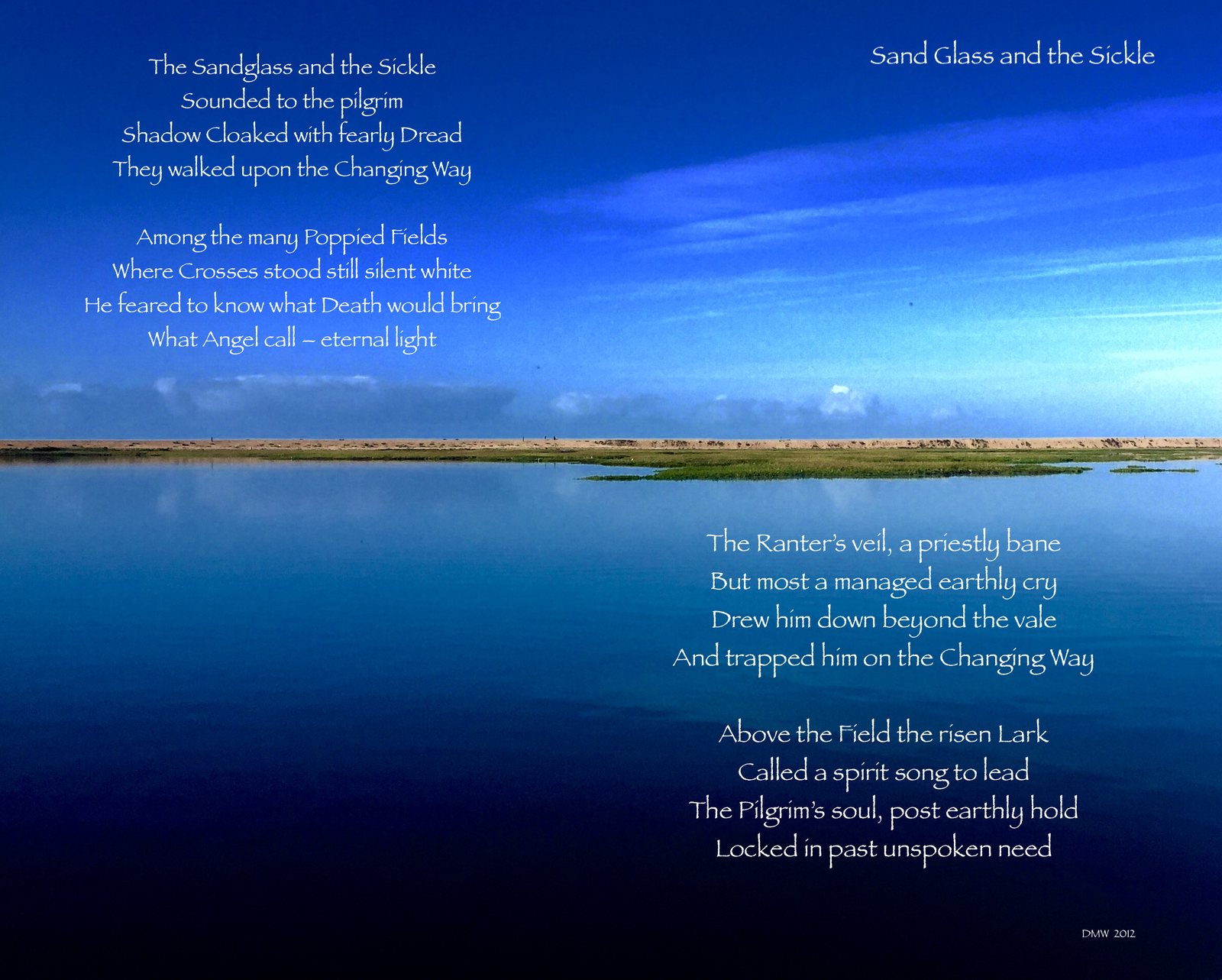
The Sandglass and the Sickle
Sounded to the pilgrim
Shadow Cloaked with fearly Dread
They walked upon the Changing Way
Among the many Poppied Fields
Where Crosses stood still silent white
He feared to know what Death would bring
What Angel call – eternal light
The Ranter’s veil, a priestly bane
But most a managed earthly cry
Drew him down beyond the vale
And trapped him on the Changing Way
Above the Field the risen Lark
Called a spirit song to lead
The Pilgrim’s soul, post earthly hold
Locked in past unspoken need
Read the poem
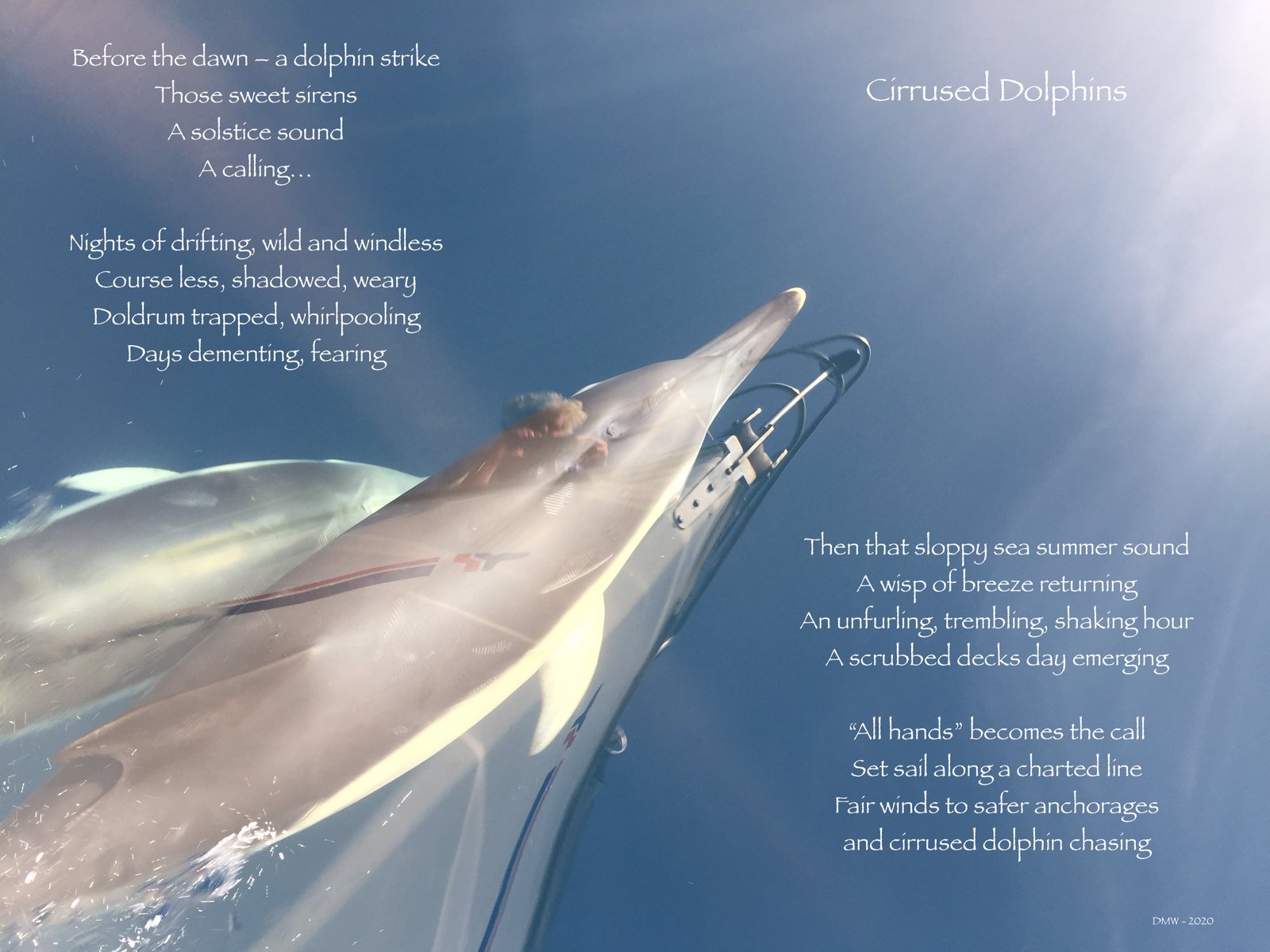
Before the dawn – a dolphin strike
Those sweet sirens
A solstice sound
A calling…
Nights of drifting, wild and windless
Course less, shadowed, weary
Doldrum trapped, whirlpooling
Days dementing, fearing
Then that sloppy sea summer sound
A wisp of breeze returning
An unfurling, trembling, shaking hour
A scrubbed decks day emerging
“All hands” becomes the call
Set sail along a charted line
Fair winds to safer anchorages
and cirrused dolphin chasing
My voice is lost in thunder
In my father’s country From “Fire in my Father’s Land”, David Walters, 1974. © David Walters
Coda Music Trust, 1995 to 2006
A music centre for a whole community
All musics, all ages, all people.
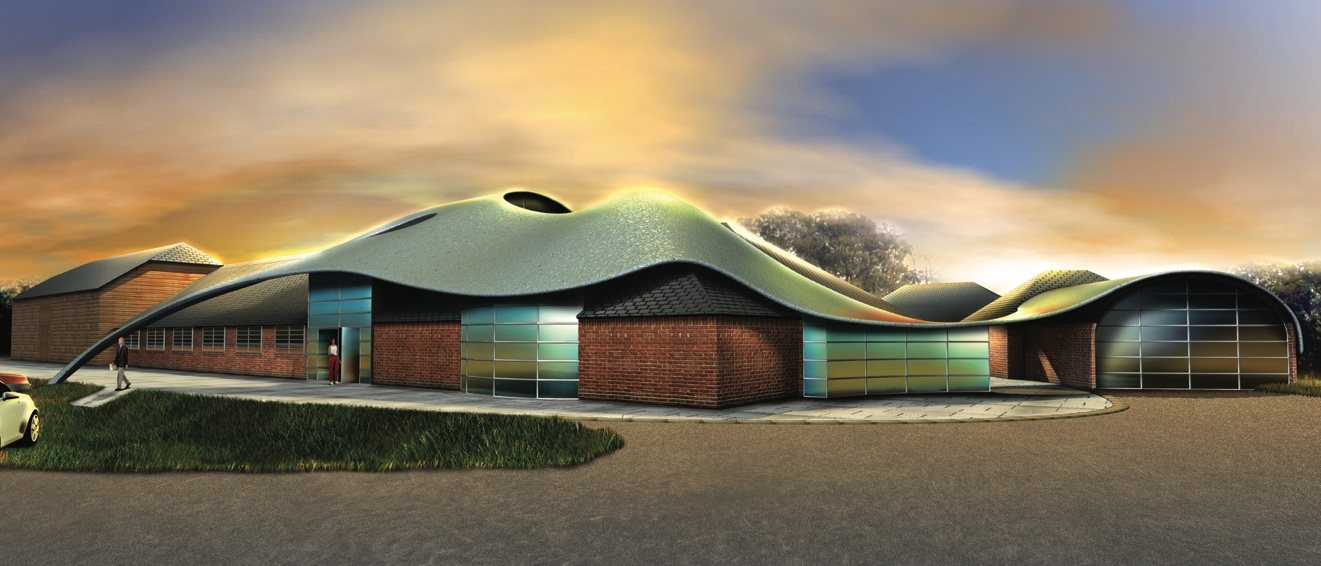
Coda put instrument teaching, music therapy, performance and workshops under one roof, on the farm buildings where it began. At its peak it served over 420 students a week across the New Forest, Christchurch, Bournemouth, East Dorset, Wiltshire and the Isle of Wight, in partnership with the Nordoff-Robbins Music Therapy Centre.
The 2001 annual report put its purpose plainly: to offer everyone the possibility of being musical.
- 370 students a weekin 2001, from a youngest of one and a half to an eldest of eighty
- 85% of income from feeswith a bursary scheme covering up to half of fees
- 18 staff and over 30 volunteerswho gave about 2,000 hours in a year
- A Trinity exam centreand a music therapy service run with Nordoff-Robbins
What Coda added to community music
- Group piano teaching linked to Kodály singing games.
- A continuum of music-making from the early years to adulthood.
- Guided musicking, joining informal music-making with formal music education.
- Performance as inclusion, built into the work of every class.
- Music therapy and teaching learning from each other under one roof.
- A facilitation model for tutors and therapists that moves between leading and helping students lead.
Around the centre
- Five sectors: piano, strings, guitar, vocal, and Kindermusik with Foundations.
- Annual summer festivals, from Hurst Castle in 1996 to a full weekend of concerts by 2005.
- Music therapy with the Nordoff-Robbins Music Therapy Centre: individual and group sessions with a state-registered therapist, for children and adults.
- A bursary scheme and instrument loans, so cost did not decide who took part.
- A staff of performers, composers and therapists, many of whom were still there in 2016.
Above the Field the risen Lark
Called a spirit song to lead From “The Sandglass and the Sickle”, David Walters, 2005. © David Walters
Research
Where the music led
The research began with the music. What he saw in classrooms, in Coda’s practice rooms and in therapy sessions raised questions that the Institute, and later the university, set out to answer.
University of Winchester, 2011–2019
To build a more rigorous case for what he had seen in community settings, he moved into higher education and led mixed-methods evaluations of creative work in high-stress clinical settings.
- Participatory music-making for dementia patients on acute NHS hospital wards.
- Live Music in Care (2018): lead evaluator for the national initiative.
- Centre for Arts as Wellbeing: Head of the Centre until it closed in 2019.
- Professional doctorate awarded in 2017.
Music Research Institute, 1996 onward
Inspired by Dr Anthony Storr’s Music and the Mind, he founded the Institute with trustees from medicine, music education and business. As Executive Director he oversaw its small research programme and edited YES.
- Creative Dream: a three-year, Yamaha-funded study of composition teaching in the classroom, co-authored with Professor George Odam.
- Music therapy research: funding, through the Cyril Corden Trust, for the Northern Ireland Music Therapy Trust’s work on adolescent PTSD.
- A research database of papers on music and the mind.
- National reports: co-author of Music in British Primary Schools for the Yamaha Music Foundation.
Collaborations explored
- War Child: music therapy for war-affected children at the Pavarotti Centre in Mostar.
- Oxford University: a two-year distance-learning MA in Music and Psychology.
- Bournemouth University: two joint MPhil/PhD posts, on music and film and on music and advertising.
- Geneva Hospital: MRI scanning to study how music affects pain thresholds.
Founding trustees: Dr Anthony Storr, Professor Paul Robertson, Professor George Odam, Robin Woodhead and Hugh Pidgeon. The Institute’s stated aim was to move music from the edge of public life to its centre.
Research from Winchester: selected papers and links
At Winchester, David and colleagues in the Centre for Arts as Wellbeing evaluated how participatory music affects people with dementia, and the staff who care for them, in hospitals and care homes. The work fed into national thinking on arts and health. Here are the papers and reports, with a line on each.
- Music on the dementia ward: the Arts and Dementia pilot (2016) A pilot by Norma Daykin, David Walters and colleagues from Winchester and Hampshire Hospitals NHS Foundation Trust. Ten weekly participatory music sessions on an acute elderly care ward, June 2015 to January 2016, showed shorter stays, fewer falls and fewer antipsychotic prescriptions on music days, with observers rating mood, relaxation and engagement positively. The authors caution that confounding factors and missing data mean the trends should be read with care.
- Understanding music interventions in acute dementia care A Live Music Now case study led by Professor Norma Daykin and David Walters. A professional viola player led singing, playing, listening and improvisation on the ward and at patients’ bedsides, and the project looked at the effect on patients, carers and staff.
- Arts and Dementia seminar, April 2016 A seminar at the University of Winchester for Research and Engagement Week, bringing together neuroscience from Southampton with the Centre for Arts as Wellbeing’s work using music, movement, poetry and theatre with people living with dementia.
- The benefits of music in care homes (2018) The Centre for Arts as Wellbeing evaluates a Live Music Now project, with Sound Sense and Canterbury Christ Church University, running 10 to 20 weeks of music sessions in six care homes to see whether they improve the happiness of residents and staff.
- The Aesthetic and the Anaesthetic (2018) The University of Winchester and Hampshire Hospitals NHS Foundation Trust formalise a partnership, the Hampshire Collaboration for Health Research and Education. David describes bringing arts projects, including the dementia music pilot, into hospital care, with plans to test music for chronic pain.
- Arts for Health and Wellbeing: an evaluation framework (2016) Professor Norma Daykin’s standard framework for recording and reporting the health and wellbeing effects of arts activities, for small projects and large studies alike, aimed at commissioners, practitioners, funders and researchers.
- Impacting social prescribing (REF 2021 impact case study) The University of Winchester’s case study draws on research from 2015 to 2019, including the dementia and Live Music in Care work. It reports an influence on national and international social prescribing policy, with the findings cited in the first World Health Organization evidence report on arts and health.
- The world needs to come into music (The Psychologist) A report in the British Psychological Society’s magazine on a 2015 Live Music Now and Royal Society of Medicine conference. It concludes that music interventions for neurological conditions in older people deserve a place in mainstream treatment, provided the research reaches a higher standard.
- Research publications listed on ResearchGate Three papers: participatory music making and dementia in hospital (Dementia, 2017); genre-based community music in two UK ensembles (International Journal of Community Music, 2018); and an evaluation of the partnership between the university and the hospital trust (Journal of Research in Interprofessional Practice and Education, 2020).
Archive
Music Research Archive
The Institute gathered a library of research papers on music, the brain, learning, wellbeing and therapy. It began as the material that arrived after Channel 4's Music and the Mind series, and it was later catalogued so that teachers, therapists and researchers could search it.
Search by title, author or keyword, or filter by subject. Many entries link to the paper online, and the rest give the reference number to look for in the PDF folder.
300+
papers and references, in eleven subject areas
Open the archiveNeurology · Musicology · Therapy · Education · Composers · Psychology · Technology · Sociology · Biology · General